Internet Shutdown: Senegal’s Action Unacceptable
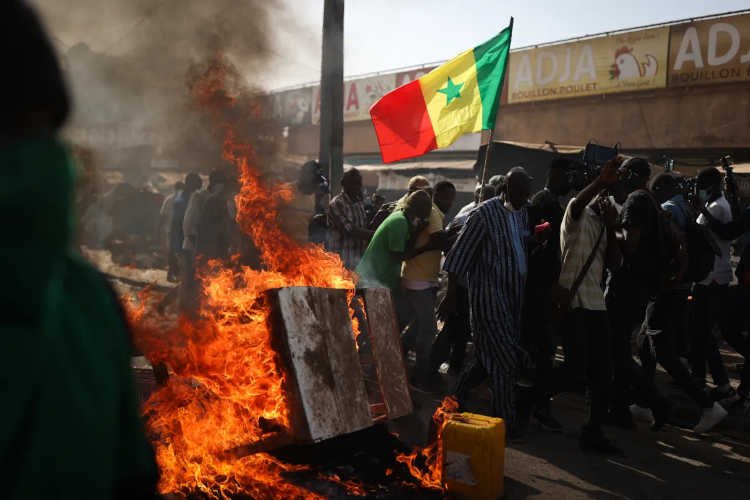
The recent shutdown of internet access by the government of Senegal constitutes a violation of the right to freedom of expression and press rights, and this is condemnable. Development Diaries reports that mobile internet in the country was temporarily cut by the government following protests against President Macky Sall’s decision to postpone the presidential election. We understand that […]

South Africa: 26,515 Teenagers Pregnant in Eight Months
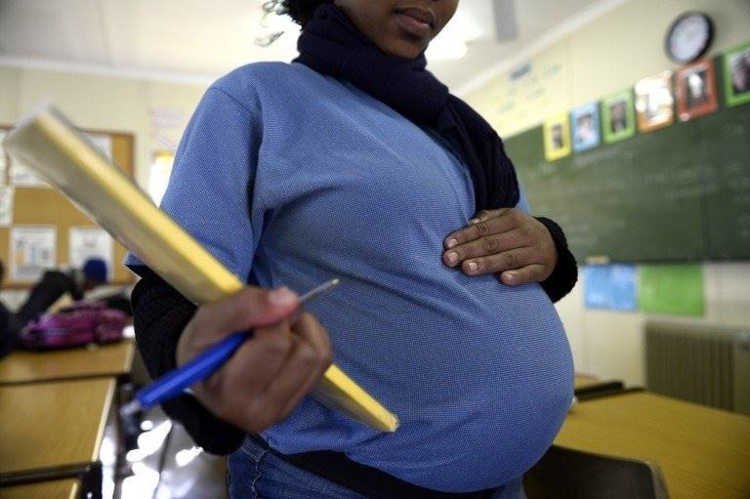
Nonprofits and community leaders in South Africa have asked the National Prosecuting Authority (NPA) to tighten statutory rape laws. Development Diaries reports that the call was made as KwaZulu-Natal announced that it had recorded 26,515 pregnancies of young girls aged ten and 19 in eight months. According to a community leader in Soweto, Ntokozo Khumalo, […]

Rights of Children Still Violated in Nigeria

As Nigeria marks another Children’s Day on 27 May, the country remains one of the most difficult places to be a child. Development Diaries reports that the rights of children are violated daily and almost with impunity in Nigeria, figures from the Organisation for World Peace show. In this report, the United Nations Children’s Emergency […]

Out-Of-School Children: Kano Passes Child Protection Bill
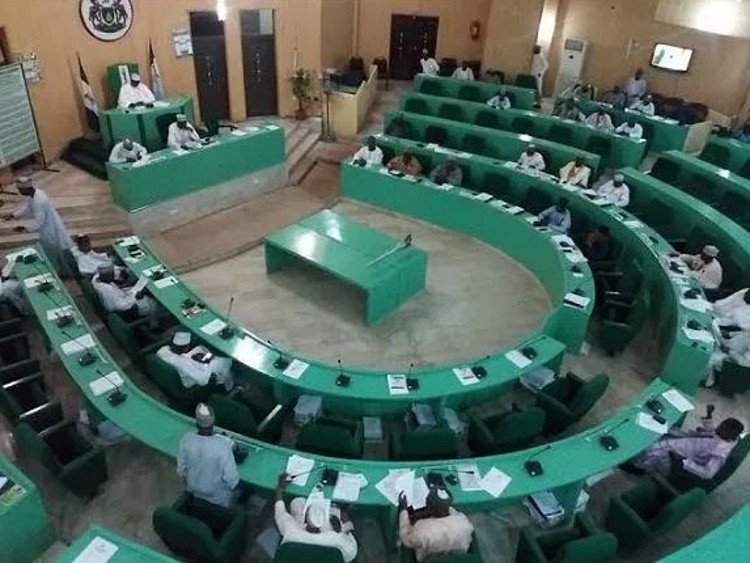
The Kano State House of Assembly, northwest Nigeria, has passed the State Child Protection Bill. Development Diaries reports that the bill seeks to protect children against all forms of molestation and ensure that they enjoy free and compulsory basic education. It is understood that the law sets aside stiffer sanctions for perpetrators of rape and other […]

Egypt: Woman Arrested for Reporting ‘Torturing’ of Husband

Cairo Institute for Human Rights Studies (CIHRS) has called on the authorities in Egypt to begin serious investigations into the alleged beating and torturing of Mohamed el-Baqer, a human rights lawyer. Development Diaries reports that CIHRS made the call in a tweet following the arrest of el-Baqer’s wife, Nematallah Hisham, on Monday. Hisham, in a […]

Angola: Illegal Immigrants Abused

The United Nations has reported that recent migrant worker expulsions from Angola have led to rape and other types of violence against women and children in the Democratic Republic of Congo (DRC). Development Diaries reports that Angola has deported thousands of workers in recent months, according to UN figures. In the last six months, 12,000 […]

See How Rivers Policemen Broke Law in Viral Video

The policemen involved in the assault of an unidentified man in Rivers State, southern Nigeria, have been arrested. Development Diaries reports that the spokesman for the Nigerian police Olumuyiwa Adejobi disclosed this on his Twitter handle. ‘Inspector Adejoh Siaka; Inspector Friday Obaka, and Sgt. Ndiwa Kpuebari from Rivers State. These are the men who slapped […]
Africa at a Tipping Point: Tech grows, social media expands, but civic voices struggle to be heard.

In a continent where so much is trending, yet nothing is changing, the true challenge lies in turning Africa's growing social noise into transformative civic action.

Over the past 15 years, Africa has witnessed significant strides in civic engagement, driven by pro-democracy movements and the adoption of innovative civic technologies. These advancements have played a pivotal role in mobilising citizens, fostering inclusive decision-making, and amplifying marginalised voices.

However, despite increased participation rates and technological progress, these efforts have not translated into sustained or impactful civic engagement or improved governance outcomes.

Limited Understanding of Social Issues

Africa’s civic ecosystem is hindered by poor-quality conversations that undermine effective citizen participation. Weak civic engagement is fueled by limited public understanding of social issues, widespread misinformation, shrinking civic and digital spaces, and the absence of robust accountability mechanisms.

Citizen-Government Distrust

A deep-seated mistrust between citizens and governments compounds this problem, stemming from decades of corruption, governance failures, and inadequate communication. With the continent scoring an average of 32/100 on the 2022 Corruption Perception Index and only 43 percent of the global population trusting their governments in 2018, the disconnect is glaring. Increasingly, citizens turn to private sector actors as accountability agents, further marginalising public institutions and weakening the governance fabric.

Digital Rights Violations and Misinformation

The situation is exacerbated by digital rights violations, including internet shutdowns and social media bans in countries such as Ethiopia, Nigeria, and Zimbabwe. These actions disrupt citizen mobilisation and press freedom, impeding democratic processes. Meanwhile, the proliferation of misinformation and disinformation clouds the digital space, further eroding trust and making informed civic action increasingly difficult, as evidenced by election manipulation in Uganda’s 2021 elections.

These challenges have created a fragmented civic landscape where citizens are ill-equipped to meaningfully engage in governance or hold leaders accountable, stalling progress toward sustainable development and inclusive growth across the continent.

ImpactHouse’s Response

ImpactHouse is committed to transforming the quality of civic conversations in Africa to foster responsive and accountable governance. Our approach emphasises strengthening civil society and the media through targeted training, cutting-edge technology, and access to essential resources. By amplifying social demands with precision, we aim to bridge the citizen-government divide, enhance trust, and empower communities to drive meaningful change.