Abuja, Nigeria
ImpactHouse Centre for Development Communication is deeply concerned about President Bola Tinubu’s continued preference not to address Nigerians directly amid the rising wave of killings and abductions in the country.
At a time when citizens are losing trust in government, the absence of the President’s voice has created a dangerous vacuum that undermines public confidence and national stability.
Nigeria is once again grappling with a troubling resurgence of terrorist attacks and coordinated kidnapping rings, particularly in the north-central and north-west regions. The recent abduction of 38 worshippers from the Christ Apostolic Church, Oke Igan, in Eruku, Kwara State (following mass abductions in Kebbi and Niger), reflects a pattern of insecurity that demands urgent, frontline leadership.
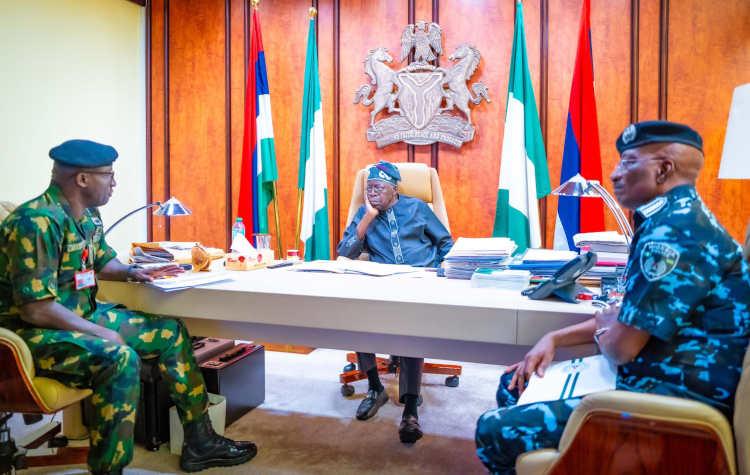
While President Tinubu announced through a written statement on Sunday that the 38 worshippers had been rescued, and while he disclosed via social media that he had met with security chiefs, this moment calls for far more than press releases. In a climate where millions of Nigerians feel unsafe, families are grieving, communities are anxious, and international partners are openly questioning Nigeria’s security trajectory, the President’s physical presence and direct communication are critical tools of leadership.
Nigerians need to hear directly from their commander-in-chief and see their leader demonstrate empathy, urgency, and accountability. These are values that align with Section 14(2)(b) of the 1999 constitution, which makes the security and welfare of the people the primary purpose of government.
If only President Tinubu would address the nation through a live broadcast, reassuring citizens, calming fears, and outlining actionable steps. If only he would visit communities traumatised by attacks, standing beside victims and demonstrating that their government sees them, hears them, and stands with them.
Nigeria cannot afford a communication vacuum at a time when citizens are anxious and distrustful. The President’s recent explanation that he cancelled a trip to the G20 Summit in South Africa to coordinate security efforts is noteworthy, but it does not automatically reassure citizens. And while the Vice President can represent the president, there are moments, especially now, when Nigerians need to see their commander-in-chief in person. This is one of those moments, Mr President.
And finally, Nigeria’s global reputation is on the line, with investors, diplomats, and international organisations closely watching how the government responds to repeated abductions. This is why a national address is essential, both to reassure citizens and to show the international community that measurable actions are being taken. It would signal that Nigeria is confronting the crisis and demonstrating leadership at a time when many feel abandoned.
Signed
John Andah,
Executive Director